
The Balance of Automation and Authenticity: AI Content Strategies for 2026
A strategic approach to how AI content generation can evolve from cheap 'spam' to creating real value and reputation.
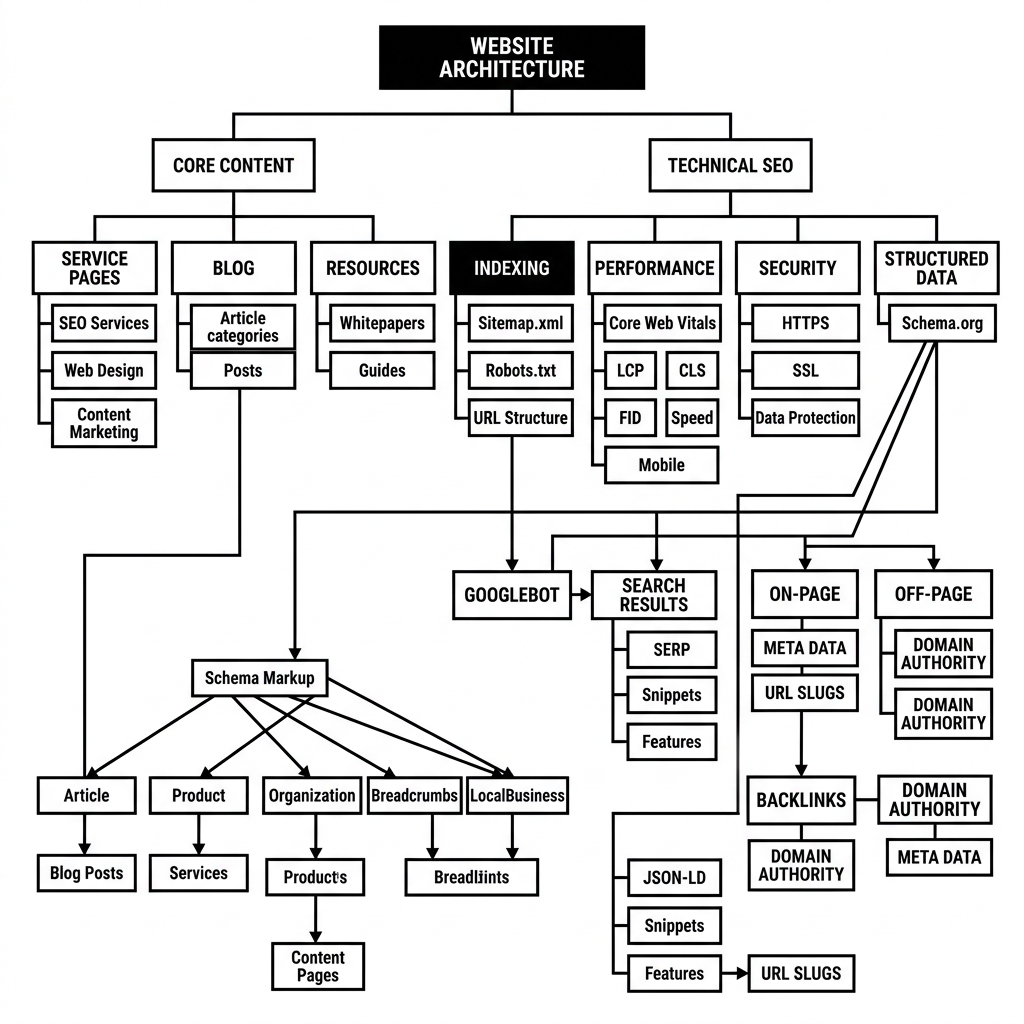
With the democratization of Generative AI, the internet has faced an unprecedented “tsunami of content”. It’s 2026; it is now technically very easy to publish hundreds of blog posts a day, automatically generate YouTube Shorts videos, or farm thousands of comments on platforms like Reddit and Hacker News using bots.
However, one rule in the digital ecosystem has never changed: Users can spot and filter out low-quality, generic, and soulless content in seconds. Algorithms are also much more ruthless in this regard than before. So, how can companies and content creators transition AI automation from being a “spam” tool into a genuine competitive advantage?
1. Scale “Expertise”, Not Just Quantity
The most misguided way to use AI is generating shallow content via prompts like “Write 100 articles about X”. The formula for a high-quality content strategy must be [Human Expertise + AI Labor].
- Ideas from Humans, Execution by AI: The core idea of an article—a unique experience (like how you resolved a specific database crash your company faced)—must be defined by a human. The true power of LLMs lies in turning this draft into a technical article, optimizing grammar, and making it SEO-friendly.
- The “Karma” Strategy in Community Management: If you want to farm reputation (Karma) in highly technical communities like Hacker News, you can’t just tell ChatGPT, “Write a supportive comment on this topic.” The community will immediately realize it and shower you with downvotes. Instead, you should use AI as a research assistant to deeply summarize articles, find counter-arguments, and enrich your own thoughts with technical arguments.
2. Platform-Specific AI Automation
Every platform has a different dynamic. In our recent YouTube Shorts automation processes at Canary Digital, we observed this: If the video editing, the naturalness of the voiceover, and the synchronization of the subtitles aren’t perfect, content that feels AI-generated is swiped away instantly.
- Edge-TTS and Natural Voiceovers: Move away from robotic text-to-speech tools and switch to systems where you can adjust the rhythm and prosody of the voice.
- Personalized Output: Program your automation scripts (like edits you do using MoviePy with Python) so that each Shorts video has dynamic transitions and eye-catching hooks, as if it were touched by human hands.
3. The 3 Golden Rules of Staying Authentic
If you are largely producing your content with AI assistants, never skip these three rules:
- Add Personal Experience: Somewhere in the text, share a specific piece of data, anecdote, or “fail” story belonging to you or your company that an LLM could never know.
- Argue a Polarizing or Bold Idea: LLMs are set by default to produce safe, politically correct, and average ideas (due to RLHF). Adding a perspective that challenges the general consensus in the industry is the greatest proof of a human touch.
- Transparency: When necessary, do not hesitate to say, “The analysis of this data was done using AI-supported tools.” Today’s readers don’t hate the use of AI; they hate the poor and hidden use of AI.
In summary, the winners of 2026 will not be those trying to produce content “cheaply”, but those who can broadcast their expertise and authenticity in “higher resolution” to the masses using AI.